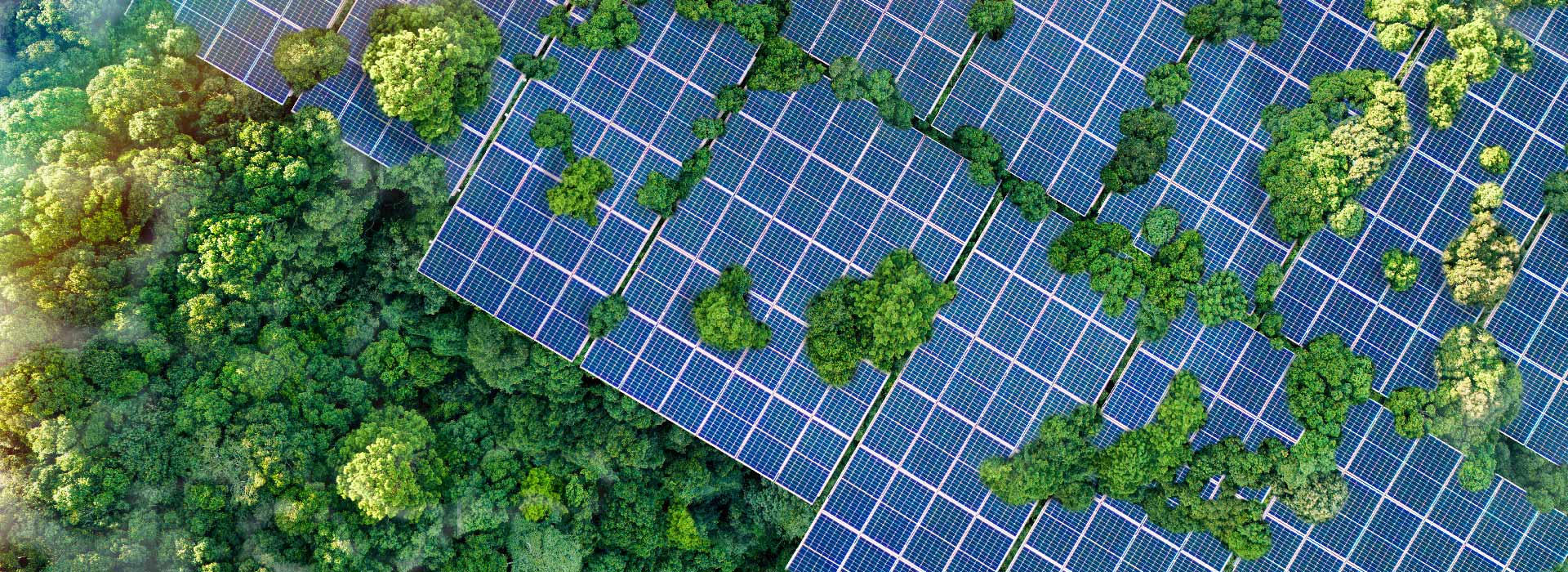
Talking about Polyvinyl Butyral always drags you back to the heyday of early plastics. Back in the 1920s and 30s, the chemical world hunted for flexible, clear, tough films. Chemistry labs led by inventive minds decided to tinker with polyvinyl alcohol, which they’d already been making from acetylene and water. They needed something softer and tougher—vinyl butyral fit this bill, launching its story as safety glass’s go-to glue and changing windshield manufacturing. In those early days, inventors like Howard W. Matheson recognized the potential for a polymer made with butyraldehyde and polyvinyl alcohol. The product took off because car accidents exposed shards of glass, so PVB’s adoption reduced risk and injury, gaining a reputation in a safety-obsessed market.
PVB stands out as a resin with real life-changing utility. Manufacturers roll it out into thin sheets or resins; sometimes powder, sometimes pellets depending on the job. Colorless or tinged slightly yellow, it feels rubbery but resists tearing. Its main fan club includes engineers who need adhesive layers to bond glass, giving laminated windscreens their sandwich structure. Architects look toward PVB for glass balustrades and skyscraper walls, trusting its soft shock-absorption. Audio engineers swear PVB baffles reduce sound without excessive weight. Companies like Eastman, Kuraray, and Sekisui Chemical invest millions in refining grades for solar panels, automotive glazing, and even certain prints requiring strong, transparent encapsulation.
Polyvinyl butyral’s toughness comes from its tangled molecular chains. Water stays at arm’s length due to its semi-polar structure, but it doesn’t fear humidity entirely—think about all the car windows sitting out in rain and frost. Sheet tensile strength pushes past 30MPa, flexibility shows up in elongation rates above 200%, and melting gets going around 180 to 190°C. With a refractive index around 1.485, engineers find it blends nicely with float glass. Chemical resistance is middling; acids and bases corrode it after long soaking but routine life doesn’t faze it. Shrinkage stays limited during use if processed right, and impact-resisting behavior only increases as layers thicken. This physical persistence means you don’t often replace PVB-laminated glass unless something truly catastrophic happens.
Manufacturers label PVB by viscosity in solution, molecular weight, residual acetaldehyde content, and clarity. Sheet thickness usually ranges from 0.38mm all the way to 1.52mm, with labels often describing tensile strength, light transmission, and haze. Ash content runs below 0.04%. Industry standards—including ASTM D570 (water absorption), ASTM D882 (tensile properties), and ISO 527—serve as the benchmarks for buyers. Packing takes place in moisture-resistant containers, as a sticky film can wreck downstream lamination. Traceability plays a crucial role, with batch codes keeping tabs from production to installation, so recalls or troubleshooting get sorted fast.
Making PVB feels almost like a recipe from high school chemistry, if the batch size came in tons. Start with polyvinyl alcohol, stir with butyraldehyde in the presence of acid, often hydrochloric or sulfuric. The lab crew controls temperature tightly, usually under 70°C, to keep reaction rates steady and avoid overly crosslinked messes. The reaction mix gets neutralized, then washed of excess acids and monomers until pure, yielding a resin that can be extruded into rolls. Any leftover aldehydes or acids bring trouble for clarity and safety, so rinsing steps last long for top grades. Manufacturers customize by adding plasticizers for softness, tougheners for impact, and UV stabilizers for sunlight exposure, blending all elements before final shaping.
Beneath the surface, PVB’s structure holds a backbone rich in butyral groups, with a handful of residual hydroxyls and acetyls. Chemists sometimes take advantage by crosslinking—tying the chains with isocyanates, borates, or even by grafting with acrylics to alter the flow or adhesion profile. The same base molecule opens doors to dyeing, surface functionalization, and enhanced compatibility with glass or other polymers. Modifying the level of acetalization makes for softer or tougher films, opening new applications in aeronautics or even battery encapsulation. Photovoltaic industry tweaks the recipe, changing light transmission and weather resistance. Most modifications circle back to that simple base structure: a backbone easy to tune at the molecular level.
Factories around the world stamp out PVB under trade names, most famously Saflex, Butacite, Trosifol, and S-Lec. Some chemists refer to it as butyral resin, vinyl butyral polymer, or PVB interlayer. These names come in handy while navigating procurement, since regional brands or regulatory filings reference dozens of synonyms. International names might include polyvinylacetal or butyraldehyde polyvinyl acetal, though users recognize the product no matter the branding, going by its tactile properties and glass-laminating legacy.
Raw PVB doesn’t give off much hazard under normal handling, marked as non-toxic, non-carcinogenic, and largely safe if kept clear of open flames and strong acids. SDS sheets advise basic glove use for dust and avoid inhaling powder during extrusion. Hot processing requires fume extraction, since breakdown products, like acrolein, can irritate. National and international standards, such as OSHA’s guidelines, set upper limits on workplace dust and on heat exposure. Glass sandwiching plants run air handling systems and fire controls. Waste disposal sticks to standard industrial plastic rules—no burning, control the landfill, recycle where possible under plastics codes, usually classed under 7. Any environmental releases stay rare, as PVB shows poor solubility and tends to remain locked within laminated glass.
Automotive glass stands as PVB’s most famous home, where windshield safety relies on its ability to hold shattered glass together. Building trades use it for overhead and balustrade glass, trusting its strength against impacts. Solar panel builders reach for it due to optical clarity and weatherproofing, while specialty graphic printers deploy it for encapsulating inks. Laboratories use PVB to produce cell culture films, and audio engineers tune room acoustics with its sound damping. Some recent years have seen bike helmet shields, dental models, and even electronics employing PVB blends where good adhesion and clarity line up. Since glass structures trend larger, PVB demand runs stable globally.
Every year, labs roll out new PVB grades, building on decades of chemistry while eyeing sustainability and higher strength. Solar technology outfits keep pressing for films that resist UV for longer, while building materials competitors cut haze even further. Researchers experiment with blending biodegradable plastics into PVB, trying to cut the environmental load after demolition. Engineers design grades with advanced acoustic properties, supporting quiet cabins in luxury vehicles. Some universities dive into nanotechnology, embedding metal oxides for self-cleaning windows or crafting new coatings on top of the interlayer. Tracking PVB’s development means following patent updates, as companies guard small processing improvements closely.
Long-term animal studies give PVB a wide margin of safety, showing no acute or chronic hazards under normal conditions. Human studies back this up, with workplace monitoring only flagging risks where plastic dusts or decomposed fumes build up in the air. Regulatory sources like the European Chemicals Agency clear it for general use, while California’s Proposition 65 lists PVB films as unregulated since no strong evidence of carcinogenicity exists. Ongoing monitoring tracks new additives or modified chemistries, but for standard PVB, toxicity stays among the lowest of major plastics. Environmental persistence still raises eyebrows, especially after demolition or in landfill settings, so research pivots to improve degradability and life cycle tracking.
Glass engineering keeps evolving, and with it, the demand for smart, layered safety solutions like PVB films. Climate-focused innovators study how to recycle laminated glass, aiming to recapture PVB and remake it into new builds rather than sending it to landfill. Solar cell makers keep asking for higher UV resistance and clarity, since every photon counts—raising the bar on polymer purity. Governments apply pressure for circular material flows, incentivizing recycling pilots across Europe and Asia. Anticipating stricter waste regulations, some chemical companies invest in new depolymerization tech. Global infrastructure expansion, paired with electric vehicles and green building trends, suggests demand for rugged, adaptable interlayer films stands firm for decades ahead. Developing markets, especially in Asia and Africa, open new doors for basic safety materials, while mature economies drive R&D focused on energy efficiency and sustainability in polymer production, promising broad relevance and continued innovation.
Walk up to any car, tap on the windshield, and you’re not just knocking on glass. There’s a thin, almost invisible layer nestled inside: Polyvinyl Butyral, or PVB for short. It’s a tough, flexible plastic. PVB steps in as the silent shield, keeping shattered glass from flying everywhere during a crash. Safety glass with PVB shows up in your car, bus, or even on that glass-walled skyscraper you pass downtown. Looking back at the science, a key reason laminated glass holds up so well lies in the way PVB layers bond with glass under heat and pressure. Tests show this combo can slash injury risk, making streets and offices safer for all of us.
PVB doesn't stop at holding glass together. It’s surprisingly good at blocking noise. Ever sit inside a quiet train while the world buzzes past outside? Many rail lines and even luxury cars use laminated glass to keep things peaceful. I’ve worked in noisy city offices where thick, PVB-laminated windows turn honking chaos into a gentle hum. The polymer’s structure grabs sound waves, stopping much of the outside racket from sneaking through. According to material engineers, PVB can cut outside noise by up to 10 decibels, helping folks focus and sleep better in the city thrum.
Energy bills keep climbing, so builders look for every edge. PVB not only toughens glass—it helps block UV rays. Without it, sunlight pours in and fades everything from floorboards to priceless art. Laminated glass with PVB often blocks upward of 99% of UV radiation. Over the long haul, this translates to less wear and tear on interiors and lower cooling loads for homes and offices. Some manufacturers add extra ingredients to PVB to further limit infrared, making bright spaces less of a headache for air conditioners. This attention to energy and comfort supports sustainable building goals. The drive for green construction, especially in Europe and North America, puts advanced glazing with PVB in high demand.
Architects, never short on bold ideas, tap PVB’s flexibility to create colored or patterned glass. Whether coloring a decorative skylight or sandwiching images for a public art mural, PVB layers offer both structural strength and creative freedom. I’ve walked through modern museums where laminated displays stay bright and safe—even when crowds get too close. Museums and art galleries rely on clarity and preservation, so glazing with PVB helps curators keep priceless artifacts shielded from the sun and sticky fingers alike.
PVB makes glass safer, quieter, and more energy-efficient, but recycling has not caught up to the technology. Separating PVB from glass is tricky and not all countries have facilities for it. This leaves a lot of post-consumer laminated glass piling up. Europe has started to build specialist recycling plants, and new chemical processes aim to reclaim both glass and polymer, but the pace is slow. Support for research into simple separation and reuse will pay off by turning today’s waste into tomorrow’s raw material. Industry must come together with government to push these solutions, turning a safety boost into a win for sustainability too.
Polyvinyl butyral, or PVB, pops up in surprising places—laminated glass in cars and building windows, for one. It’s the clear, flexible film pressed between sheets of glass that keeps it from shattering into sharp bits during an accident. I’ve seen firsthand how a cracked windshield holds together after a rock flies up on the highway. That safe, spider-web effect? PVB in action.
Government agencies have looked into PVB’s safety. The European Chemicals Agency, for example, groups PVB as a substance not classified as carcinogenic, mutagenic, or toxic for reproduction. NIOSH and OSHA don’t list serious health warnings about handling it. Most studies agree that exposure during manufacturing or product use doesn’t release anything dangerous under normal conditions. It doesn’t just break down into something harmful on its own—it’s not like those old plastics that leached BPA into every lunchbox. It acts more like a stubborn, non-reactive film.
My experience working with small manufacturing outfits backs this up. We used adhesive films, including PVB, for safety glass without anyone suffering more than minor skin irritation—and that came from rubbing against the film before it was sandwiched between glass layers. Most people never touch pure PVB at all. Once it’s inside glass, it’s stuck there, sealed against moisture, heat, or skin. As long as installers follow normal safety rules—gloves, ventilation during any heating—few problems crop up. The real risk comes from inhaling dust or fumes if someone cuts or burns the material. That’s hardly unique to PVB, though; any plastic fares poorly under a torch.
PVB’s makeup is simple: it comes from polyvinyl alcohol reacted with butyraldehyde. It doesn’t contain heavy metals, phthalates, or persistent organic pollutants. Reports on environmental impact lean positive. PVB slowly breaks down over time in landfills, though pretty sluggishly. Leachate tests don’t show buildup of harmful chemicals, so it isn’t considered a major environmental threat compared to many other synthetics. It won’t poison water or contaminate soil under ordinary use.
The biggest debate around PVB centers on disposal and recycling. Old windshields pile up, and not every recycler can separate the film from glass fragments. PVB manufacturers know this, and some have set up dedicated recovery programs. In my own city, a glass processor strips out the PVB and sends it for repurposing in carpets, interlayer sheets for more laminated windows, or even road paint binders. This keeps waste down and shows what industry can accomplish with some pressure and creativity.
In the broader context of everyday chemical safety, PVB stands up well to scrutiny. Toxic risks for users and installers look negligible, given normal precautions. Downstream waste poses questions, but not insurmountable ones. I see a material that’s earned its reputation for safety not just through testing but through decades of incident-free real-world use. Keeping things that way comes down to responsible handling, steady improvement in recycling, and learning from experience.
Anyone who has ever examined a shattered windshield up close knows about polyvinyl butyral (PVB)—even if the word never came up. At the core of its value sits its tackiness and flexibility. Once sandwiched between sheets of glass, PVB doesn't just stick. It clings and bends, holding broken glass together in accidents. This isn’t some neat lab trick; many of us have seen or heard about car crashes where windows don’t explode into sharp shards. That’s a life-saving difference backed by many crash reports and highway safety studies.
PVB’s clarity turns into a real-world benefit on the road and elsewhere. It lets sunlight stream through, keeps everything visible, and doesn’t yellow or cloud up for years. Glass artists and building designers lean on this material to create huge transparent panels and skyscraper windows, trusting that sunlight won’t turn a family room or an office lobby into a greenish fishbowl. This isn’t magic; it’s high transparency measured against international glass standards.
I’ve spent long hours walking through aging buildings and new job sites. There’s nothing worse than seeing a foggy, de-laminated window that traps moisture. PVB resists water and doesn’t lose its grip easily. Even after years facing rains or steamy summer heat, it holds glass together while keeping out haze and streaks. The inner structure of PVB blocks water molecules, proven by lab humidity tests and real building inspections spanning decades.
Living next to a busy road, a noisy airport, or a late-night café gets easier with PVB-laminated windows. This resin acts as a shock absorber for sound waves. On busy streets and in hotel towers, you’ll notice traffic seems quieter. Acoustic engineers measure this effect and chart a drop in decibel levels inside rooms lined with such treated glass. This means sleep comes easier for families, and office meetings don’t get drowned out by construction.
Toughness remains one of PVB’s trademarks. Once hit with flying rocks or battered by hail, laminates using this resin show cracks but don’t burst into dangerous pieces. Insurance companies recognize glass using PVB as less risky, often offering reduced premiums. Testing labs hit these windows with steel balls, and results show breakage patterns that allow escape without injury—hard numbers support customer safety claims.
From old houses getting storm window upgrades to artists building intricate panels, PVB grants flexibility for shaping and coloring. Adding dyes allows for decorative effects in offices or museums, and cutting the material to fit odd shapes remains straightforward compared to rigid plastics. Technicians and glaziers mention in trade publications how PVB films adapt well during installation.
Most people enjoy its benefits without a second thought—more sunlight indoors, less noise, glass that won’t fall apart during a storm or accident. Polyvinyl butyral connects chemistry with better daily experiences and safety. It also creates less waste, as glass containing PVB often gets recycled in modern plants. For anyone working with or living behind glass, these properties matter. Strict standards from groups like ASTM and ISO back up these claims, helping homeowners, builders, and car owners trust the material’s performance year after year.
Polyvinyl butyral, or PVB, shows up in some everyday places, especially inside car windshields and windows in big commercial buildings. Anyone who’s ever looked at a shattered windshield and noticed the glass clung together instead of flying everywhere has unknowingly met PVB's handiwork. Getting to that strong, clear, flexible film calls for a well-tuned recipe and careful chemistry.
It all starts with a powdery resin called polyvinyl alcohol (PVA). Companies typically source it from petrochemicals. In the real world, that means using crude oil to create vinyl acetate, which then gets turned into PVA through a series of steps called polymerization and hydrolysis. That’s not uncommon in the plastics industry—oil is at the root of many synthetic products.
To transform PVA into PVB, producers bring butyraldehyde into the mix. They pour the powdered PVA resin into a large water tank, stirring hard to make a milky solution. Next, they add butyraldehyde. This ingredient triggers a chemical reaction, linking with the PVA chains and building longer, tougher molecules. Acids (like hydrochloric acid or sulfuric acid) keep the reaction moving, almost like adding yeast to make bread rise. If you picture a big industrial kitchen, you wouldn’t be far off in imagining rows of tanks, tubing, and a constantly whirring environment.
After a careful period, the PVB resin comes out suspended in water, but it’s not clean yet. Manufacturers rinse the mixture, flushing away leftover acid, unreacted butyraldehyde, and other unwanted byproducts. This matters in the final product. If you leave in these contaminants, the finished film gets cloudy or might not bond well between glass layers. One factory operator told me they check the wash water’s pH, keeping it in a tight range to ensure no harsh acid lingers. Getting this part right protects both the workers and the quality of the plastic.
Once they’ve washed the PVB plenty, it gets filtered and dried to form a resin powder with a faint yellow-ish tinge. The powder heads off to powerful extrusion machines, where heat and rollers squash it into thin sheets. At this point, adding a plasticizer gives PVB its signature flexibility and tackiness. Plasticizers let the film stay pliable over years of changing temperatures, which matters under the hood of a car. The right recipe prevents the film from cracking during a chilly winter or melting in the summer sun.
There’s no overlooking the fact that raw material sources—especially from petrochemicals—raise environmental concerns. Producing synthetic plastics takes energy, generates waste, and leaves a significant carbon footprint. Some companies started experimenting with recycling old PVB from scrapped windshields. Not all plants invest in these closed-loop systems, but those that do cut down on landfill waste and slash the demand for virgin oil-based materials.
Improving environmental safety doesn’t end at recycling. Careful monitoring of chemical waste, reductions in water usage during washing, and safe disposal of byproducts directly impact communities near manufacturing sites. Regulators check up on factories to make sure no harmful leftovers get into groundwater or air. Transparency—publishing data on emissions and recycling rates—builds trust with the public and shows a willingness to do better.
Polyvinyl butyral might sound like just one more plastic, but its manufacture ties together science, skill, and responsibility. Making glass safer has changed how cars and buildings protect people, and as technology advances, so does the push for cleaner, smarter ways to keep those benefits going without adding to the world’s pollution problems.
Polyvinyl butyral, known to its friends as PVB, doesn’t make headlines like glass, metals, or PET plastics. It quietly gets the job done, holding together the layers in the safety glass of modern car windshields and building windows. Anyone who’s ever peered through a windshield after an accident knows about its toughness and clarity. Yet, after those windshields break or get replaced, most people don’t think twice about the film sandwiched between the glass. The question is, what happens to this hidden hero afterward?
Drivers and businesses produce huge piles of broken laminated glass every year. Under the shiny glass slabs, PVB sits in thin, sticky layers. Separating it isn’t easy—anyone who has visited a recycling center or auto scrapyard has seen how much manual labor goes into stripping off the film. Often, the glass gets recovered, but the film heads to landfills. This isn’t just an environmental loss; we’re also wasting a material that took energy, oil, and water to create in the first place.
Industrial-scale recycling has always had two main hurdles: contamination and cost. PVB pulls in adhesives, dirt, and even small shards of glass during its useful life. If you ever tried to reuse an old sandwich bag after a rough picnic, you know the cleaning struggle. Still, a few companies in Europe and North America have figured it out—they strip away glass, wash the film with solvents or water, scrape off extra residue, and dry it for reprocessing. The reclaimed film shows up in soundproofing mats, carpet underlays, or even fresh batches of safety glass. Factories that get their processes right can save on raw materials and slash landfill costs.
I visited a few plant managers in Spain and Germany who took pride in their recycling lines. They’ll tell you about the importance of pure separation and smart cleaning. They also tell you about the piles of used PVB that still never make it to their doors. Markets for recycled PVB fluctuate. Some years, manufacturers want it for non-critical uses; in others, virgin resin dominates. Contaminated film still gets tossed because cleaning can cost more than new production—energy prices and labor rates decide the winner.
PVB burns at high temperature and releases pollutants when incinerated, posing risks to communities downwind. In landfills, the material breaks down slowly—sometimes not at all—so it lingers for decades. Simple reuse avoids most of these problems. Some forward-thinking builders use cleaned scraps as sound insulation, and engineers can blend reprocessed PVB into bitumen for quieter road paving. Every example like this proves that the technical hurdles don’t always have to block progress when practical solutions exist.
Policy shapes markets. Stronger recycling targets for automotive and construction materials push industry to look past landfill as the default end-of-life option. Incentives and clear labeling, as seen with some electronic waste rules, help connect suppliers of old PVB and businesses ready to give it a second life. Many local recycling networks stay small, but coordinated public-private partnerships could scale up the impact.
Having seen what works in practice, I believe recycling and reusing PVB comes down to practical commitment and collaboration. Technical solutions exist, and economic ones follow as soon as end-users demand sustainable sourcing. The solution doesn’t rest on one company or government. Real change grows from each community recognizing the value in what was once tossed aside—and asking manufacturers and recyclers to do better.
| Names | |
| Preferred IUPAC name | Poly(1,1-dimethylethylene acetal-co-ethylene) |
| Other names |
PVB
Butacite Vinyl butyral resin Butvar Pioloform Saflex |
| Pronunciation | /ˌpɒl.iˌvɪn.ɪl ˈbjuː.tɪ.rəl/ |
| Identifiers | |
| CAS Number | 63148-65-2 |
| Beilstein Reference | 1321176 |
| ChEBI | CHEBI:53251 |
| ChEMBL | CHEMBL1208371 |
| ChemSpider | 21632854 |
| DrugBank | DB14019 |
| ECHA InfoCard | ECHA InfoCard: 100.013.793 |
| EC Number | 200-559-2 |
| Gmelin Reference | 84187 |
| KEGG | C19518 |
| MeSH | D011094 |
| PubChem CID | 24756 |
| RTECS number | TR8335000 |
| UNII | UJ839M5S3F |
| UN number | UN3176 |
| Properties | |
| Chemical formula | (C8H14O2)n |
| Molar mass | 100,000–200,000 g/mol |
| Appearance | White or pale yellow granular or powdered solid |
| Odor | Odorless |
| Density | 1.08 g/cm³ |
| Solubility in water | Insoluble |
| log P | -0.31 |
| Vapor pressure | Negligible |
| Magnetic susceptibility (χ) | -14.6×10⁻⁶ cm³/mol |
| Refractive index (nD) | 1.485 |
| Viscosity | 25-75 mPa·s |
| Dipole moment | 2.50–2.60 D |
| Thermochemistry | |
| Std enthalpy of formation (ΔfH⦵298) | -548.7 kJ/mol |
| Std enthalpy of combustion (ΔcH⦵298) | -28.64 MJ/kg |
| Pharmacology | |
| ATC code | V04CX10 |
| Hazards | |
| GHS labelling | GHS07, GHS08 |
| Pictograms | GHS07,GHS09 |
| Signal word | No signal word |
| Hazard statements | No hazard statements. |
| Precautionary statements | P210, P261, P280, P304+P340, P312, P501 |
| NFPA 704 (fire diamond) | 1-1-0 |
| Flash point | 79.44 °C |
| Autoignition temperature | 370 °C |
| LD50 (median dose) | LD50 (median dose): >5,000 mg/kg (oral, rat) |
| NIOSH | UUY |
| PEL (Permissible) | 50 mg/m³ |
| REL (Recommended) | 100 mg/m³ |
| Related compounds | |
| Related compounds |
Polyvinyl alcohol
Polyvinyl acetate Butyraldehyde |


